
During my first year in my MA program, I applied for some funding from the Martin Marty Center to see if I could spend my Spring Break traveling around Appalachia to visit a few churches and record some interviews. If you know me, you know I obsess over titles of whatever it is I am doing. I had the proposal for the budget finished, but could not land on a title I liked. On my way home from class, I checked my phone, and my mom had sent me a reel she saw on Instagram of a church I had been to titled “THE LAST SNAKE HANDLING CHURCH IN APPALACHIA.” Almost immediately, the title and aim of this small project clicked. Not because I thought it was true, but because the title captured the easy story that could be told about this community: that it is the last of something, that it is disappearing, and that someone needs to hurry up and document it before it is gone.
Of course, it isn’t the last snake handling church in Appalachia. It isn’t even particularly close to being the last one. But it is an incredibly effective title. It is dramatic, it creates a sense of urgency, and it makes you want to click. The snake is dramatic. The church is unusual. The possibility of disappearance makes the story even better. There is a very easy research project sitting right there: the last snake handlers in Appalachia. I could have spent the week trying to document the remnants of a dying tradition, treating each church as evidence of something disappearing, and making the story about the snake, the spectacle, and the question of how much longer any of it could possibly last. That would have been an easy direction to take this research, and, honestly, probably an easier story to tell.
But it is not the story I want to tell. The more time I spend with this community, the less interested I am in simply documenting its disappearance. There is so much more that I want to do. I am trying to work with practitioners to preserve historical artifacts. I want to better explore the history of responses to the practice, especially the legal and social pressure it has faced. I want to continue documenting the music. I want to collect stories, memories, photographs, sermons, and whatever else might help preserve a record of a community that has been written about so often from the outside. It is an ambitious project, but I think it offers a much better context for understanding the practice and the people who practice it. Somewhere along the way, the project stopped being about the last and became about something else entirely. The title I eventually settled on was Alive, Still.
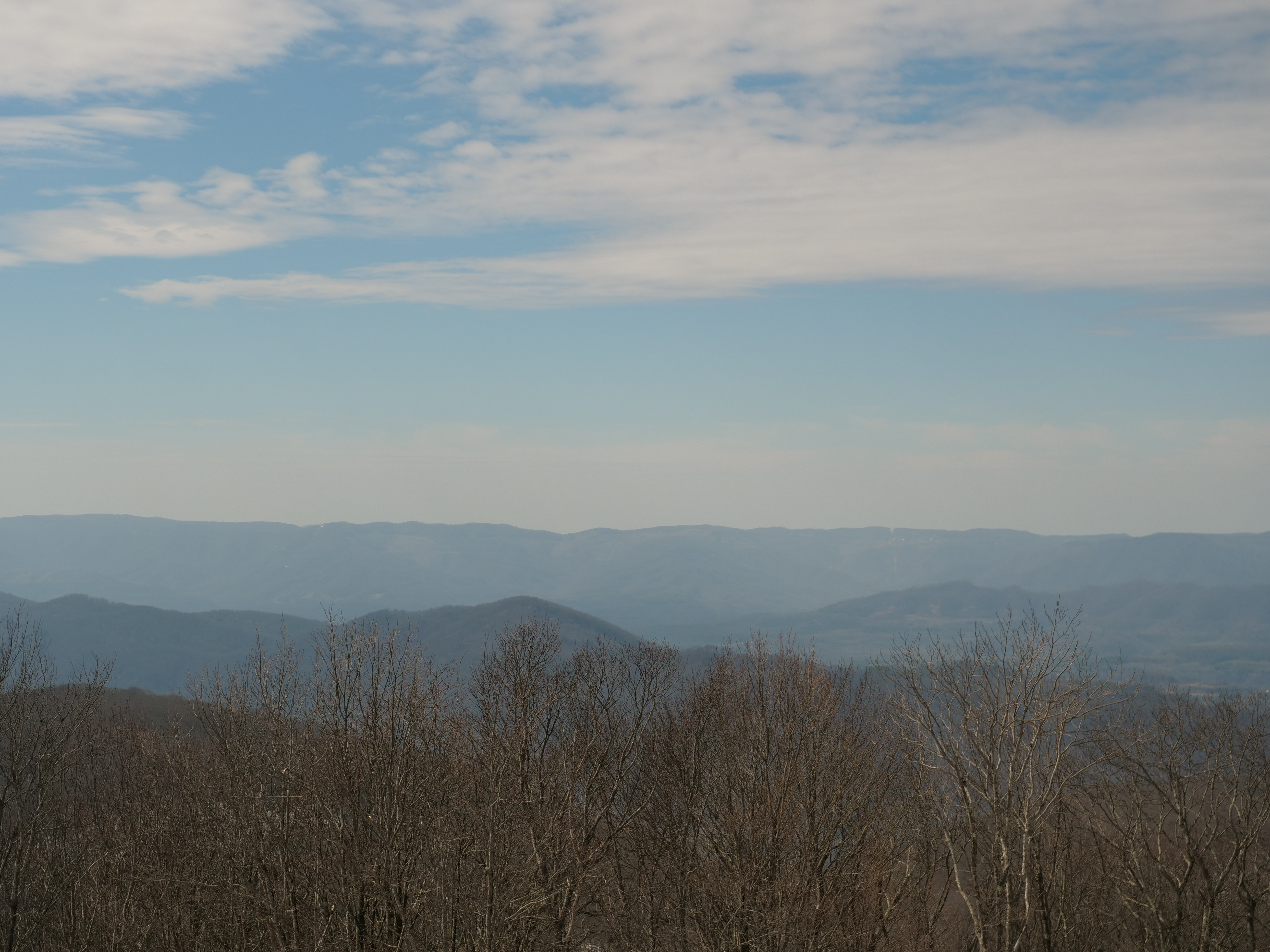
When you open this website, the video that resulted from that week of funded fieldwork is embedded into the homepage. And it is not much. There are some clips of what I saw while driving around the region, accompanied by three minutes of a sermon that went for about three and a half hours. There are no people in the video, no churches, and no snakes. That feels appropriate to me. The easiest version of this story would have been to show you the snake. It would have been easy to make the video dramatic and center it around the thing that makes serpent handling immediately recognizable to someone who has never encountered it. I could have shown the moment everyone expects to see and called that an introduction to the community. But that would have brought me right back to the logic of that Instagram reel: Look. The last snake handling church in Appalachia. Click here before it disappears!
Instead, I wanted to show you the roads, the mountains, the places between the churches, and to let you hear a voice. The sermon in the video isn’t there to explain serpent handling. It isn’t supposed to give you the condensed version of what these people believe. It is simply a small piece of what I heard while I was there: three minutes taken from three and a half hours, set against the landscape I spent that week driving through. The video is, in that sense, less about serpent handling than it is about being there. That distinction has become increasingly important to me. When I first saw that title, I was captivated by the idea of the last snake handling church. There is something compelling about an ending. But the longer I spend studying this community, the more suspicious I become of narratives that begin with its disappearance. Things certainly disappear. Churches close. Buildings are abandoned. People die. Artifacts are thrown away. Songs are forgotten. Communities change. But that is not the same thing as saying that a tradition is simply dying. People are still singing, preaching, reading the same passages of Scripture, gathering, and handling snakes. They are also still figuring out what this tradition means in a world that has spent more than a century telling them what it means. That is what I am interested in documenting. Not simply the fact that people handle snakes, and not simply the image of a church with a sign out front, but a record of a living tradition and of the world that surrounds it.
The title that started this project was clickbait. I liked it anyway. Not because it was true, but because it accidentally pointed me toward a much bigger question. What happens when you stop looking for the last? What do you see when you stop treating a religious tradition as something that is simply disappearing, and instead spend enough time with it to see what is still happening? Alive, Still is my attempt to ask that question. The video on this page is one very small answer: a few minutes of roads and mountains, and a voice from a sermon that lasted three and a half hours. There are no snakes, and this is not the last church. There is, however, something that is still very alive.
For this project, thank you to the Martin Marty Center and the Logan Media Center for funding and providing the materials for this fieldwork and video.
Leave a Reply